
Life on a Barrier Island: What Homeowners Should Know Before Building
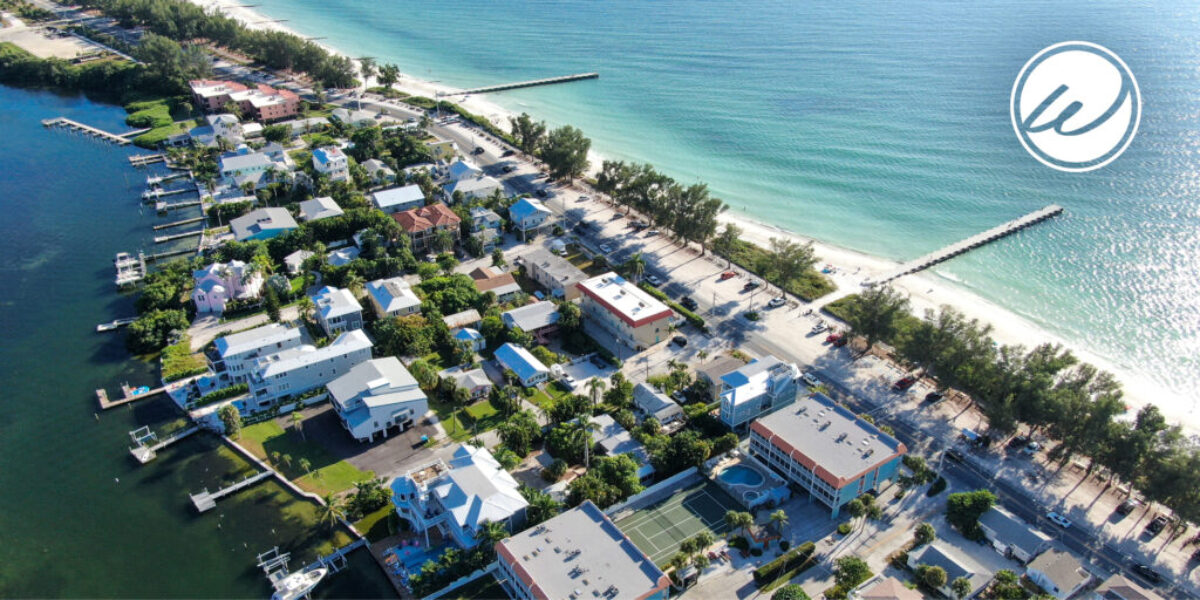
Barrier island living offers something few places can match.
Water on both sides. Open skies. A slower pace that feels removed from everything else.
But building on a barrier island isn’t the same as building inland. The environment is different. The logistics are different. And the decisions made early in the process carry more weight over time.
Here’s what experienced coastal builders understand — and what every homeowner should know before getting started.
The Environment Shapes Everything
Barrier islands are constantly exposed.
Salt air, high winds, shifting sand, and intense sun all influence how a home performs over time. Materials that work perfectly inland may not hold up the same way at the coast.
That’s why material selection isn’t just about appearance. It’s about durability.
- Corrosion-resistant fasteners and hardware
- Exterior materials designed for salt exposure
- Finishes that can handle constant sun and moisture
- Assemblies that allow the home to dry properly
Every choice contributes to how well the home ages.
Elevation and Flood Planning Come First
On a barrier island, building up isn’t optional — it’s essential.
Flood zones, base flood elevation requirements, and site-specific conditions determine how a home is positioned on the lot. This impacts everything from the foundation design to how you enter the home each day.
It also influences:
- Garage and storage placement
- Stair and elevator design
- Outdoor living layout
- Long-term insurance considerations
Getting this right early avoids costly adjustments later.
Wind Resistance Is Built Into the Structure
Barrier islands sit directly in the path of coastal storms. That reality shapes how homes are engineered from the ground up.
Structural systems are designed to manage wind loads and transfer forces safely through the home.
This includes:
- Reinforced framing and connection points
- Impact-rated windows and doors
- Fortified roofing systems
- Continuous load paths from roof to foundation
These elements work together to create a home that performs under pressure — not just in ideal conditions.
Logistics Are More Complex Than You Think
Building on a barrier island requires more coordination.
Access points are limited. Delivery schedules matter. Trade partners must plan around weather, tides, and transportation constraints.
This affects:
- Material delivery timelines
- Trade scheduling and sequencing
- Equipment access
- Overall project pacing
An experienced builder anticipates these challenges and plans for them — keeping the project moving without unnecessary delays.
Outdoor Living Needs Thoughtful Protection
Outdoor spaces are a big part of barrier island living — but they need to be designed to last.
Exposure to wind, salt, and sun means these areas require more than just good placement.
Successful outdoor spaces often include:
- Covered porches for shade and protection
- Durable decking materials designed for coastal use
- Proper drainage and water management
- Railings and details that resist corrosion
When done right, these spaces stay usable and enjoyable year-round.
Maintenance Is Part of the Lifestyle
Even the best-built coastal homes require ongoing care.
Salt and moisture don’t stop working once construction is complete. Regular maintenance helps protect finishes, extend material life, and keep the home performing as intended.
That may include:
- Periodic cleaning of exterior surfaces
- Inspecting and maintaining sealants and coatings
- Servicing mechanical systems exposed to coastal conditions
Homes that are maintained well continue to look and perform better over time.
Experience Makes the Difference
Barrier island construction isn’t just about following a set of plans. It’s about understanding how all the pieces come together in a demanding environment.
From early site planning to final material selection, every decision benefits from experience — especially experience shaped by years of building along the coast.
Because on a barrier island, a home isn’t just placed in its environment.
It’s built to live with it.
And that level of understanding is part of The Wallace Way — where clarity, craftsmanship, and coastal experience guide every step of the process.

About Wallace Custom Homes
Wallace Custom Homes is a trusted, family-owned custom home builder serving North Carolina’s southern coast for over 20 years. Formerly known as Richard Wallace Builder, the company’s evolution reflects its growth into a more custom building approach—while maintaining the same commitment to craftsmanship, accountability, and personal client relationships. Guided by its proprietary process, The Wallace Way, Wallace Custom Homes delivers clarity, confidence, and coastal expertise through transparent pricing, clear communication, and meticulous project management. Every home is thoughtfully designed and built to reflect the timeless character, resilience, and lifestyle unique to Coastal Carolina. Learn more at wallacecustomhomes.com.