
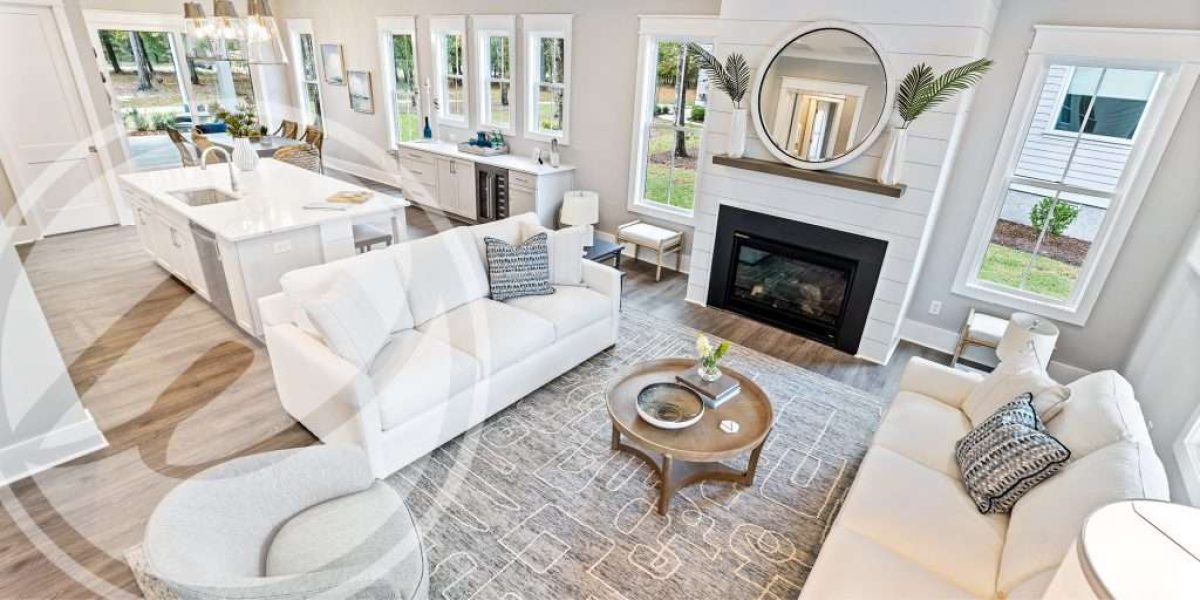
Designing a Home That Lives Bigger Than Its Square Footage
When people begin planning a custom home, one of the first questions is often about size.
How many square feet? How many rooms?
But experienced builders know something important: a home’s comfort and livability are not defined by square footage alone. They’re shaped by how space is designed, connected, and experienced.
Thoughtful planning can make a home feel expansive, open, and highly functional – even within a modest footprint.
Here’s how smart design allows a home to live larger than the numbers on the plan.
Open Space Is Only the Beginning
Open floor plans have become common for a reason. Removing unnecessary walls creates natural flow between the kitchen, dining, and living areas – allowing spaces to serve multiple purposes throughout the day.
But true openness is about more than removing walls.
It’s about:
- Clear sightlines across key living areas
- Furniture layouts that support conversation and movement
- Kitchen islands that double as gathering spaces
- Seamless transitions between indoor and outdoor living
When rooms work together instead of competing for space, the entire home feels more expansive.
Ceiling Height Changes the Perception of Space
One of the most powerful tools in residential design isn’t additional square footage – it’s vertical space.
Higher ceilings create volume, draw the eye upward, and allow natural light to move more freely through a home.
Design strategies that expand visual space include:
- Vaulted or coffered ceilings in main living areas
- Architectural beams that add dimension and character
- Clerestory windows that bring light deeper into the home
- Tall doorways and larger windows that scale the space upward
These elements create a sense of openness that square footage alone can’t provide.
Outdoor Living Extends the Home
Along the Carolina coast, some of the most enjoyable spaces aren’t inside the home at all.
Porches, covered decks, and outdoor living areas effectively expand the usable footprint of a home – especially when they’re designed as true extensions of interior living spaces.
This often means:
- Covered porches directly connected to main living areas
- Outdoor fireplaces or gathering spaces
- Sliding glass walls that open wide to the outdoors
- Thoughtful shading that allows spaces to be used year-round
When indoor and outdoor spaces work together, the home naturally feels larger and more connected to its surroundings.
Built-In Storage Reduces Visual Clutter
A home can technically have plenty of square footage and still feel cramped if storage is poorly planned.
Integrated storage keeps everyday items organized and out of sight, allowing rooms to feel calmer and more spacious.
This may include:
- Built-in cabinetry and shelving
- Window seats with hidden storage
- Walk-in pantries and well-designed closets
- Drop zones or mudrooms that manage daily clutter
Less visual noise creates more perceived space.
Multi-Functional Rooms Add Flexibility
Spaces that serve more than one purpose often add more value than adding additional rooms.
A thoughtfully designed office can double as a guest space. A bonus room can function as a media room, playroom, or gathering space. A large laundry room can include workspace and storage.
Flexible spaces allow a home to adapt to changing needs over time without inquiring more square footage.
Natural Light Expands Every Room
Light has a powerful effect on how we experience space.
Homes that welcome natural light feel more open, inviting, and connected to the outdoors.
This is achieved through:
- Strategic window placement
- Glass doors that frame outdoor views
- Light-colored interior finishes that reflect daylight
- Skylights or upper windows that brighten deeper areas of the home
The result is a home that feels larger, brighter, and more comfortable throughout the day.
Smart Design Always Outperforms Sheer Size
The goal of custom home design isn’t simply to build bigger.
It’s to build smarter – creating spaces that support daily life, encourage connection, and feel comfortable long after the novelty of square footage fades.
Thoughtful design, careful planning, and an experienced team make all the difference.
Because the homes that feel best to live in aren’t always the largest ones.
They’re the ones designed to live well.
And that kind of planning is part of The Wallace Way – a process built on clarity, craftsmanship, and decades of coastal building experience.

About Wallace Custom Homes
Wallace Custom Homes is a trusted, family-owned custom home builder serving North Carolina’s southern coast for over 20 years. Formerly known as Richard Wallace Builder, the company’s evolution reflects its growth into a more custom building approach—while maintaining the same commitment to craftsmanship, accountability, and personal client relationships. Guided by its proprietary process, The Wallace Way, Wallace Custom Homes delivers clarity, confidence, and coastal expertise through transparent pricing, clear communication, and meticulous project management. Every home is thoughtfully designed and built to reflect the timeless character, resilience, and lifestyle unique to Coastal Carolina. Learn more at wallacecustomhomes.com.